Cover image: A pair of ceramic shoes probably made in London c. 1705-1715. The Gardiner Museum, Toronto. Photo by the author.
Hey everybody! I’m just reminding you that everything in a museum is subject to change – exhibitions, artworks on display, opening times, and prices. I can only tell you what the museum was like the last time I was there, which might not stay the same. It’s not only that exhibitions change and prices increase; I’ve revisited museums and found their fundamental personalities to be really different from my last visit (or that half their galleries are closed for renovation). I know how sad a disappointing museum visit can be, so I’m reminding you to check everything out on the museum’s website ahead of time.
Presenting a quasi-encyclopedic display of ceramics history, the Gardiner Museum is a cool and quirky museum in Toronto, Canada. During my recent visit to this city, I only spent about an hour here, which isn’t nearly enough, so I’ll simply share some modest thoughts about what’s on view.
What’s on View
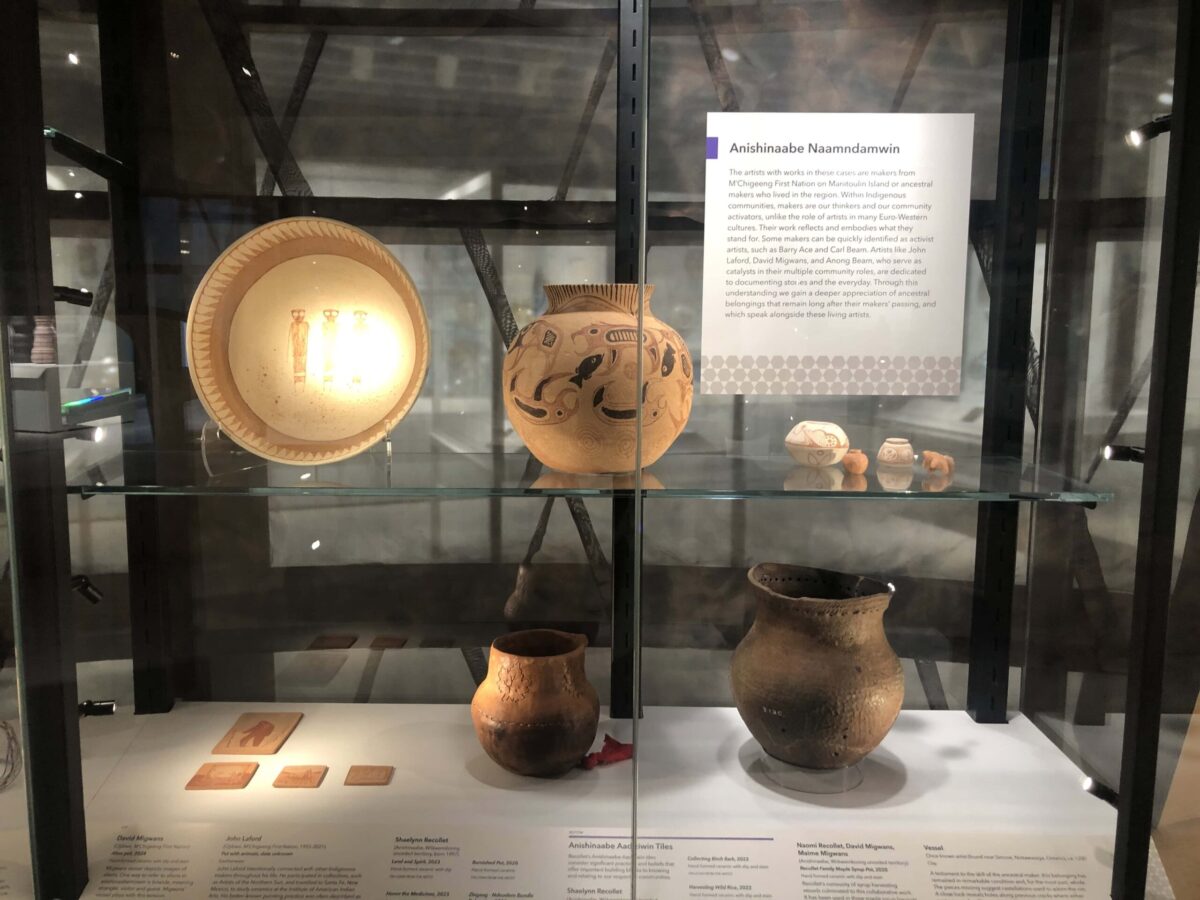
The ground floor hosts a large exhibition with selections of ceramics from around the world, including colorful earthenware from Renaissance Italy, ancient figurines and painted vessels from Central and South America, Indigenous ceramics from Canada (with particularly informative texts accompanying them), and a variety of contemporary ceramic arts. On the subject of contemporary, there are also some great pieces outside the museum, including a human-sized, broken-looking vase with bronze legs and feet.
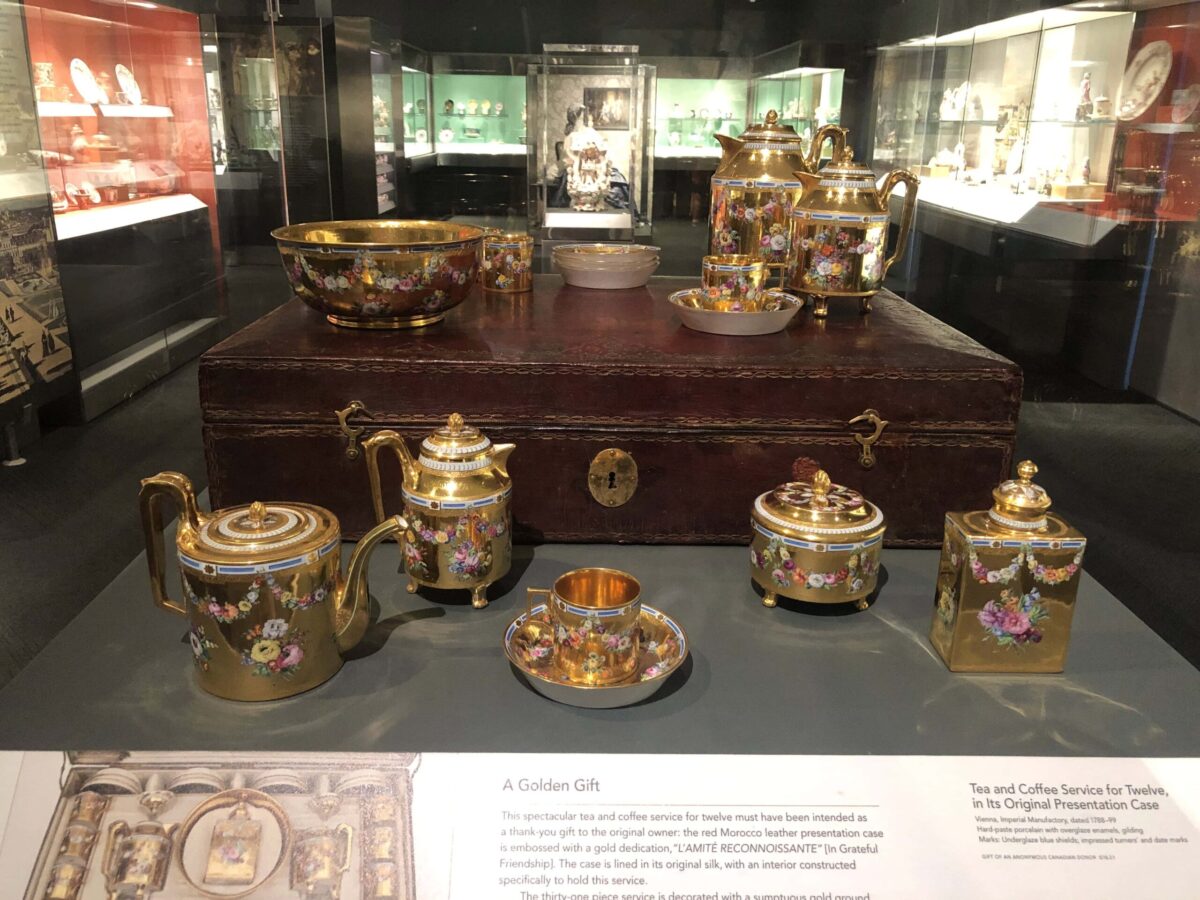
The second floor contains a massive gallery dedicated to the history of European ceramics. Although I did not linger in this area, I could have easily spent hours exploring the different porcelain styles, techniques, and factories of Europe and North America, in part thanks to plentiful educational content that accompanies it. A late-18th century gilt porcelain tea and coffee set by Vienna’s Imperial Manufactory (shown above) particularly caught my eye.
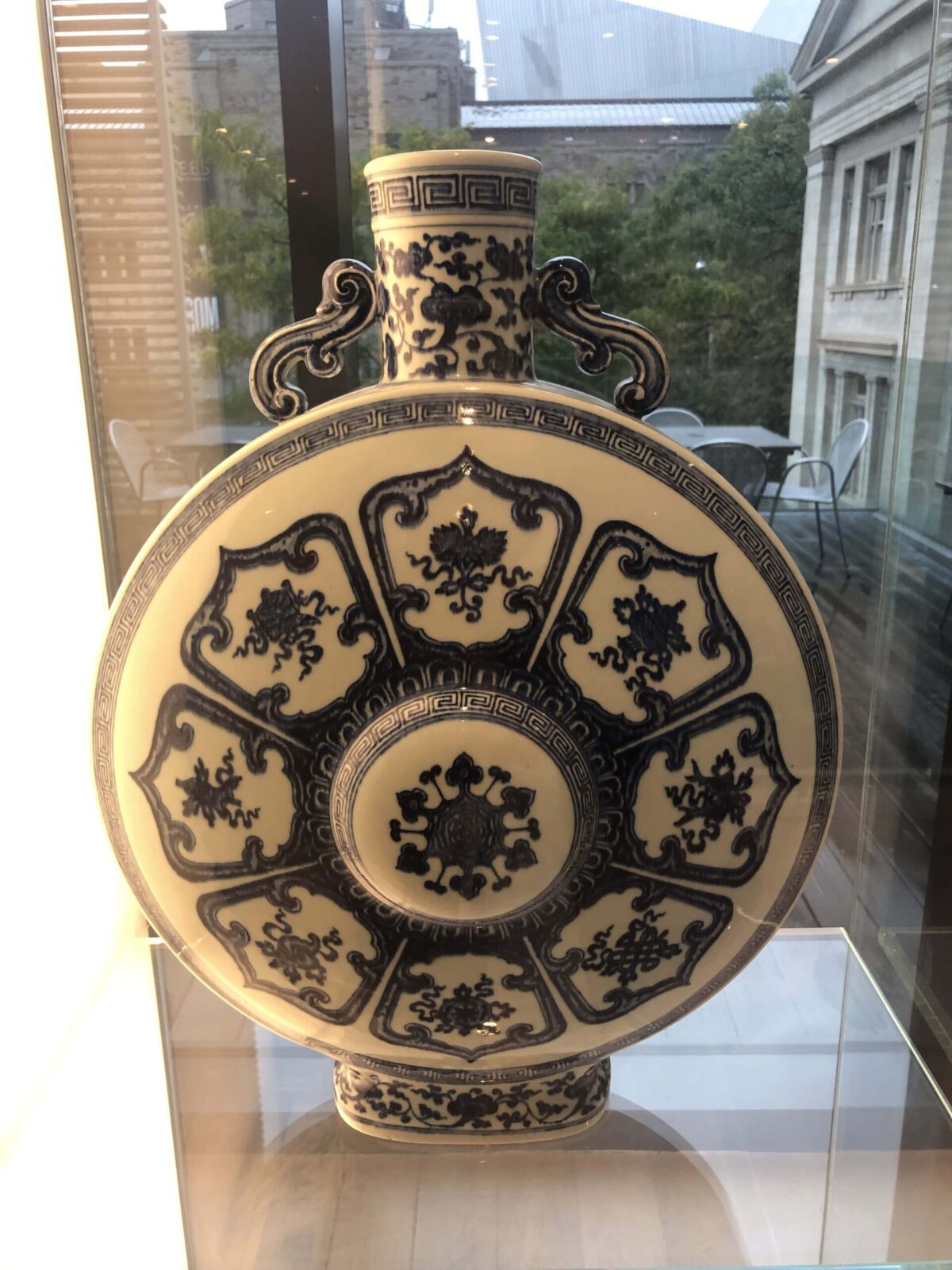
The second floor also had smaller displays of Asian porcelain that interested me more than their European counterparts. One was a gallery of Chinese porcelain; the other showed Japanese and Japanese-inspired European porcelain together. I particularly liked the huge flask from Qing Dynasty China shown above. The Chinese gallery also has a great touch-screen providing more information about the objects on display. Many thanks to the fellow visitor in this gallery who suggested I try it out. I wouldn’t do that sort of thing ordinarily but did on her rec and found it to be pretty cool.
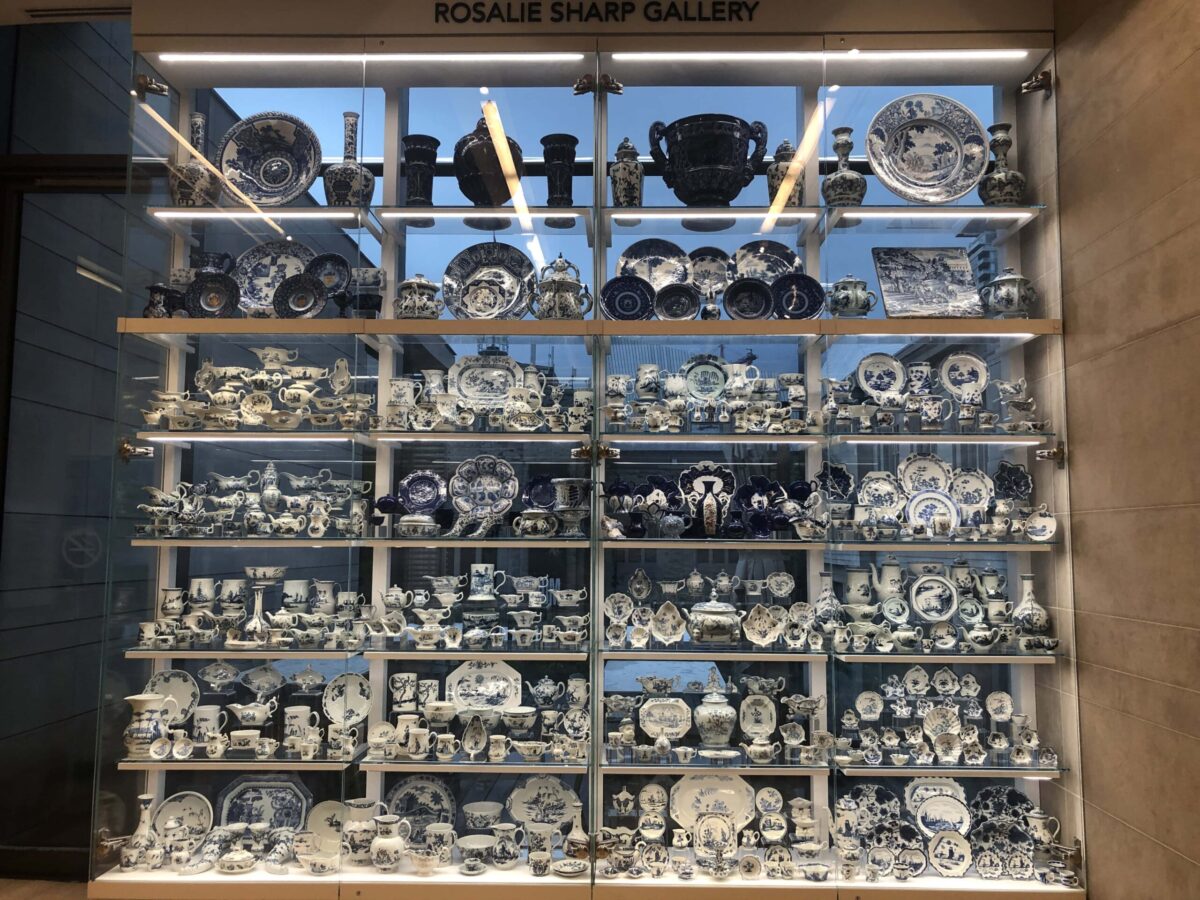
In addition to these more traditional galleries, the Gardiner also has a series of floor-to-ceiling glass cases backed by windows to illuminate the array of ceramics from both sides. There’s one within every stairwell, each with a different theme, and much larger one on the third floor adjoining the restaurant. You could probably spend an hour looking at everything packed into just that one large case, which was displaying all kinds of blue-and-white porcelain during my visit. These displays remind me of the new Princeton University Art Museum, which also houses scads of ceramics in all-glass cases surrounding a light well.
Final Thoughts and Details
My overall verdict is that the Gardiner Museum is a cool and unique experience. Although it was slightly overwhelming because porcelain requires close examination to appreciate, I would have really enjoyed exploring it further. If you’re already a fan of ceramics, this place will be a real treat for you. If you’re not yet an enthusiast – I’m somewhere in the middle, personally – you’ll have the opportunity to learn loads about the history and artistry of ceramic production. Either way, it’s worth a visit. Just leave yourself more time to spend here than I did. Also stop in the gift shop, which looked fabulous, though I didn’t get to visit it myself.
The Gardiner Museum (don’t confuse it with the Isabella Stewart Gardner Museum in Boston) is located in Toronto’s Yorkville neighborhood, just across the street from the massive and wonderful Royal Ontario Museum. It’s open seven days a week, and tickets cost $18 CAD for adults, though admission is free on Wednesdays from 4 pm until 9 pm closing.