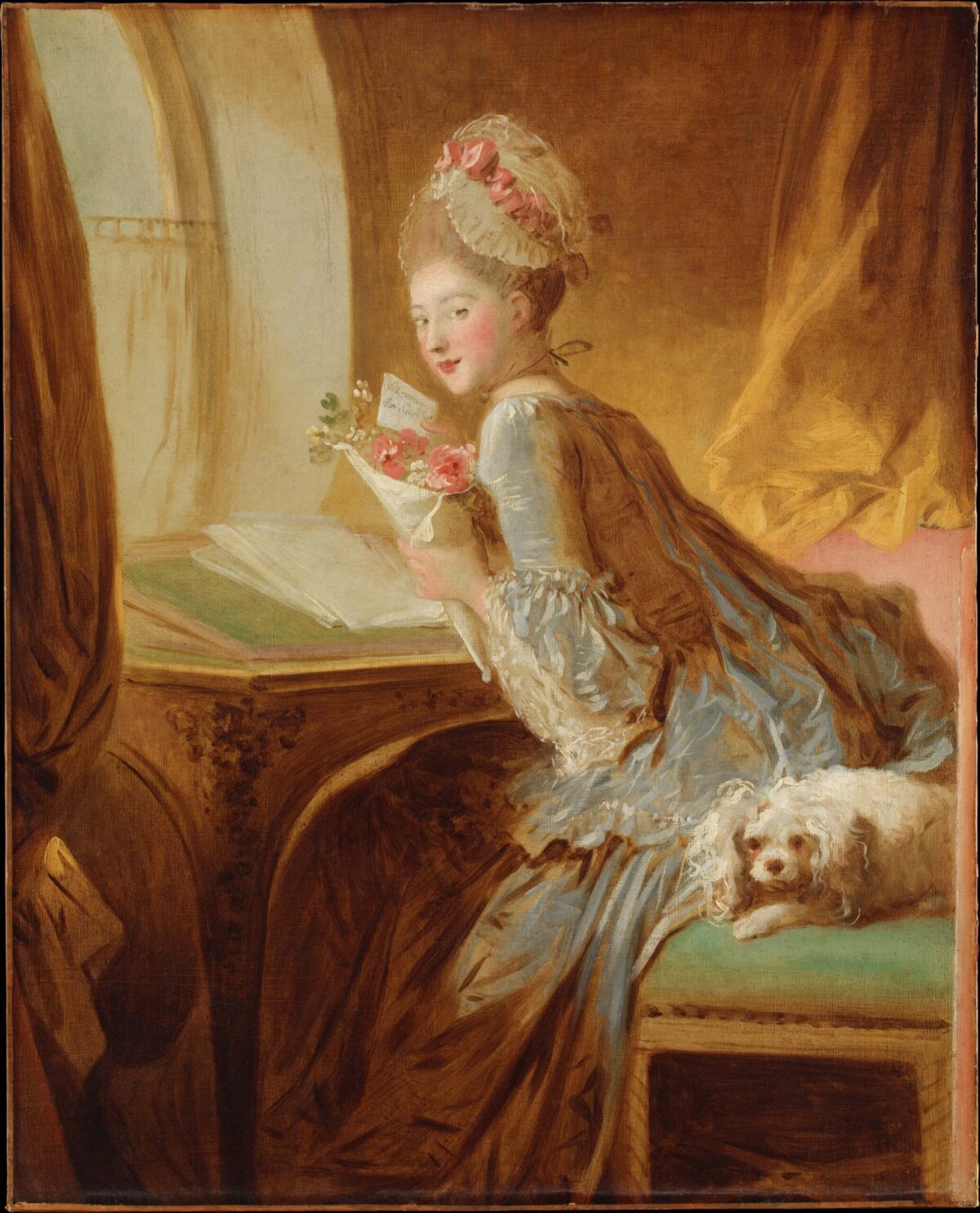
Cover image: Jean Honore Fragonard, The Love Letter, early 1770s, The Metropolitan Museum of Art, New York. (Public Domain/Open Access)
This post is for all the art museum newcomers out there! I know that it can feel confusing and intimidating looking at art in a museum when you don’t know much about it. But it’s actually nowhere near as hard to have a meaningful art-viewing experience as you might expect. Yes, a base of background knowledge is beneficial, but you can certainly make do without one. After all, the goal is to have an enjoyable and worthwhile experience, not to pass an art history test.
The four tips in this article are adapted from my ebook The Art Museum Insider: Feel Confident with Art. The book will teach you more about everything discussed here and plenty more to help you better understand and interpret art. Highlights include art historian-inspired thinking skills, details about the seven core building blocks of art, interpretation techniques, and ideas for engaging with art in museums.
Step 1: Look actively
The best way to start engaging with an artwork is to look closely, and this is true no matter what knowledge you bring to the situation. Since art conveys its information visually, you have to spend time really observing it in order to get anything from the encounter. You won’t pick up much if you just take a glance and move on.
It’s important to realize that you can’t possibly give every object in a museum the time and consideration it deserves, but when a work of art attracts your interest, look at it for a bit and see what you can discover. Stay curious and don’t assume that your first impression is all there is to uncover.
Newbies may feel that they should give a lot of focus to the explanatory texts and audio guides in order to learn what they need to know. These resources are there to help, so it’s great to use them, but keep this in mind: if you spend more time reading and listening than you do looking, you’re likely to come away feeling unfulfilled and probably won’t remember the experience for very long. Thus, I suggest letting this information guide your observations, not distract you from them.
Step 2: Pay attention what you see
Evey if you don’t know the first thing about an artwork’s subject, artist, style, or history, there is still plenty you can discover just by paying attention to the basics of what you see – things like the colors, lines, and shapes within the artwork. They’re the essential components that create the whole piece, so they’ll offer plenty to help you make sense of things. In particular, consider how all these visual building blocks work together (how lines direct your eyes to particular forms, for example, or the juxtapositions of shapes throughout the work) and the effects they create (like mood, texture, contrast, and liveliness, to name just a few).
Remember that everything in an artwork – from the selection of materials and techniques to the color palette and the size/scale relationships within the work – is a deliberate choice by the artist. You may find it helpful to ask yourself why you think the artist included each element and what they may have wanted to achieve with them. I know those are broad questions that you may not really have answers to, but they’ll get you thinking in a deeper way.
There’s a lot more to explore in terms of visual building blocks and their effects which is why I discuss this subject in detail in my book.
Step 3: Think about how it makes you feel
People gravitate to art because it makes them feel something, so let’s lean into that. The really interesting insights can come from asking yourself “why?”. What is it about this artwork that makes you feel this way? See if you can be specific. The feelings you identify can be emotions, but they can also go beyond that to include sensations (like energy or expansion, for example) or associations (maybe an abstract painting reminds you of a jazz song or a summer day).
If you’re hesitant, know that your reaction is just as valid as anyone else’s. If it doesn’t match what your friends think or what the written label indicates, that is totally okay. After all, art being subjective is what makes it so interesting. Not everybody is going to react the same way because we all bring our own unique preferences, personalities, and points of view to the experience.
Step 4: Consider some context
Art’s most interesting qualities often become most apparent when you compare and contrast them with other artworks. For this reason, setting art in the context of other art is a great way to enhance your experience, and in-person museum visits make it easy to do this.
Think about how the artwork in front of you relates to others nearby or elsewhere in the museum. Consider similarities and differences in appearance, subject matter, themes, information you read in the accompanying texts, feelings you get from the works, and more. See what themes emerge. Anything you notice is fair game.
Museums tend to display artworks made in similar times and places together, so there tend to be particularly informative comparisons to be made within each gallery space.
About The Art Museum Insider
The Art Museum Insider is a digital book designed to help you have more satisfying and meaningful experiences with art, even if you’re a total beginner. This book teaches its readers to think like art historians, empowering them to make their own informed opinions rather than relying entirely on others to shape their experiences. It discusses the core visual components of artworks and the multitude of ways they can convey meaning, introduces ways of interpreting art for yourself, suggests activities and prompts that help you analyze art, and more.
Click here to learn more and get your copy.