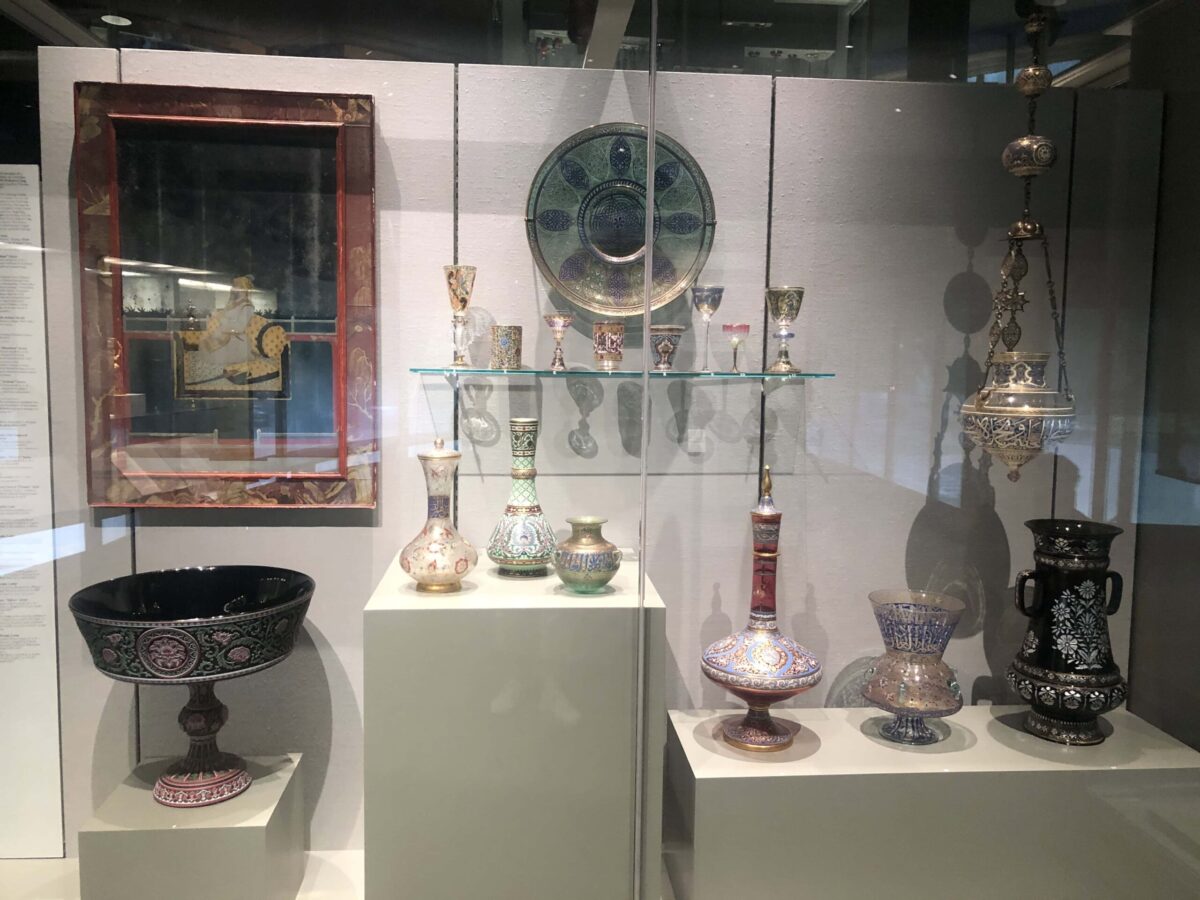
Islamic-inspired glass at the Corning Museum of Glass. All photos in this post are by the author.
The Corning Museum of Glass explores the history, science, and art of glass production. I found this to be a really fantastic museum which is different enough from the art museums I usually visit to be a breath of fresh air. It includes exhibitions of historical glass, contemporary glass art, and the technical aspects of glass, plus glass-making demonstrations and a fantastic shop. There are also opportunities to work with glass yourself.
35 Centuries of Glass
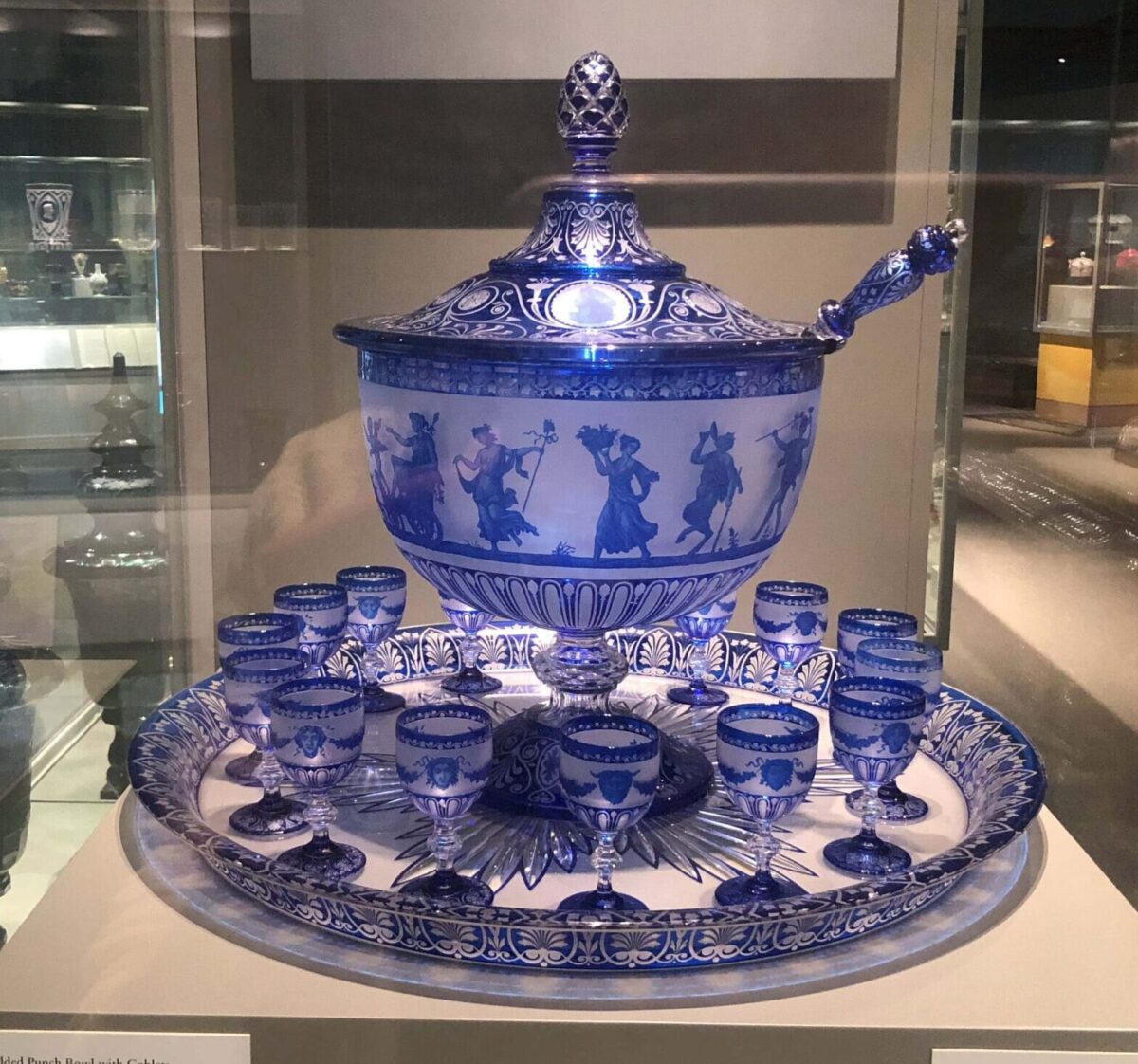
For me, the 35 Centuries of Glass exhibition was the major attraction. This huge installation shows worldwide examples of glass objects from prehistory to the mid-20th century. In addition to the explanations of glass production’s ancient origins, there’s a fantastic range of objects on display here. These include tiny beads, huge chandeliers, ceramic-looking opaque glass, thick pressed glass, ice-like cut crystal, iridescent glass, functional wares, highly-decorated objects, art glass, etched glass, painted glass, multi-color glass, and more. Among other things, this exhibition definitely makes it really clear just how many different ways glass can look.
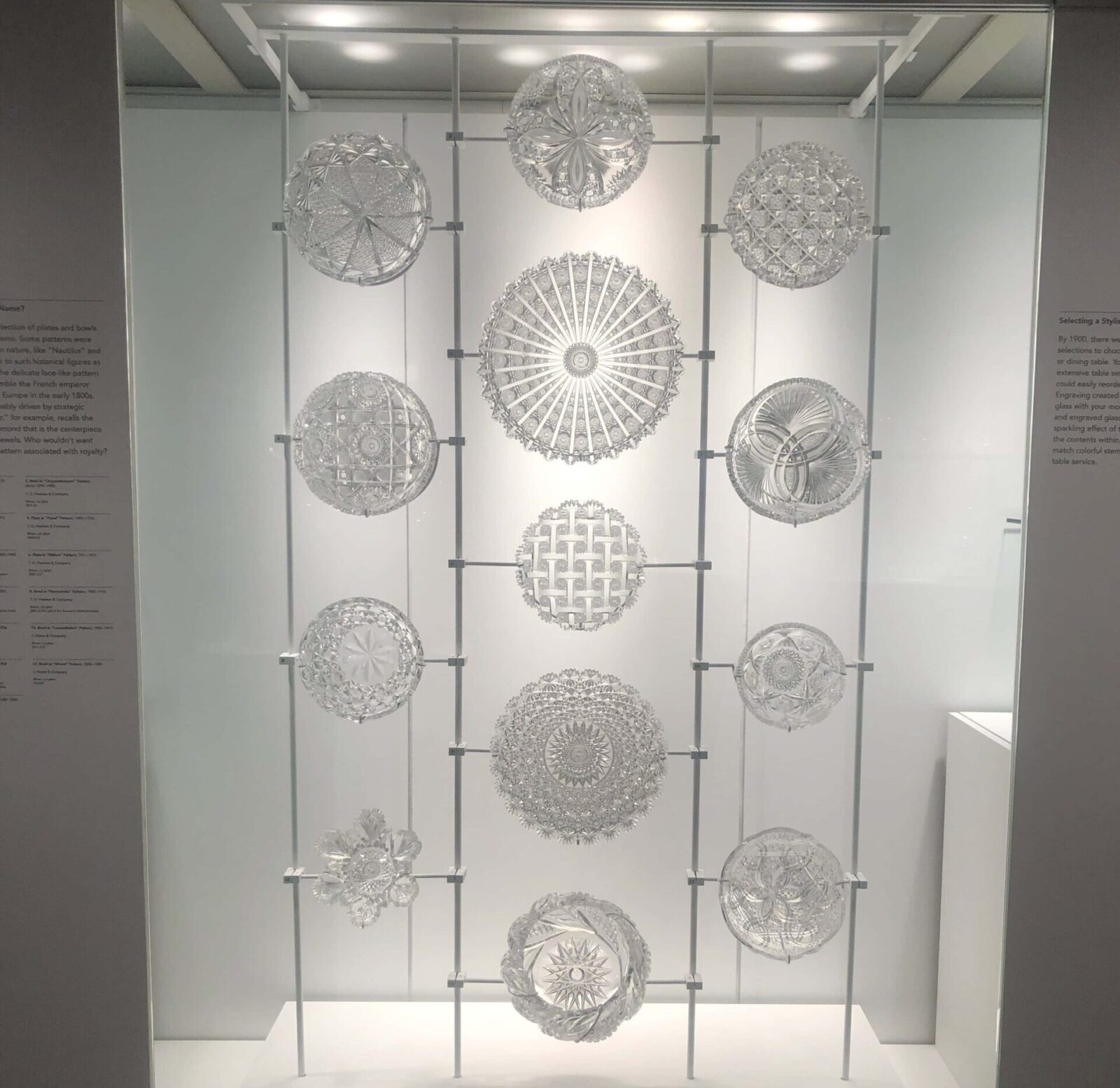
Some of my favorite pieces were the two full-sized Tiffany stained glass windows, a glass version of the Liberty Bell (though I don’t understand why it was made), two massive punch bowl sets, a mosaic table made from reused scraps of ancient patterned glass, intricate Venetian glass with stripes blown right into the designs, a gallery filled with cut crystal, and Islamic glass vessels with colorful enamel paint. There are smaller, but also great, displays of African glass (with a video about a secretive African bead-making tradition whose name I forgot to write down), objects decorated with Native American glass beads, and glass from several Asian cultures (I especially liked the tiny glass snuff bottles). The size and scope of this exhibition is a little overwhelming – you definitely cannot look at everything in the detail it deserves – but this also means there is something for every taste.
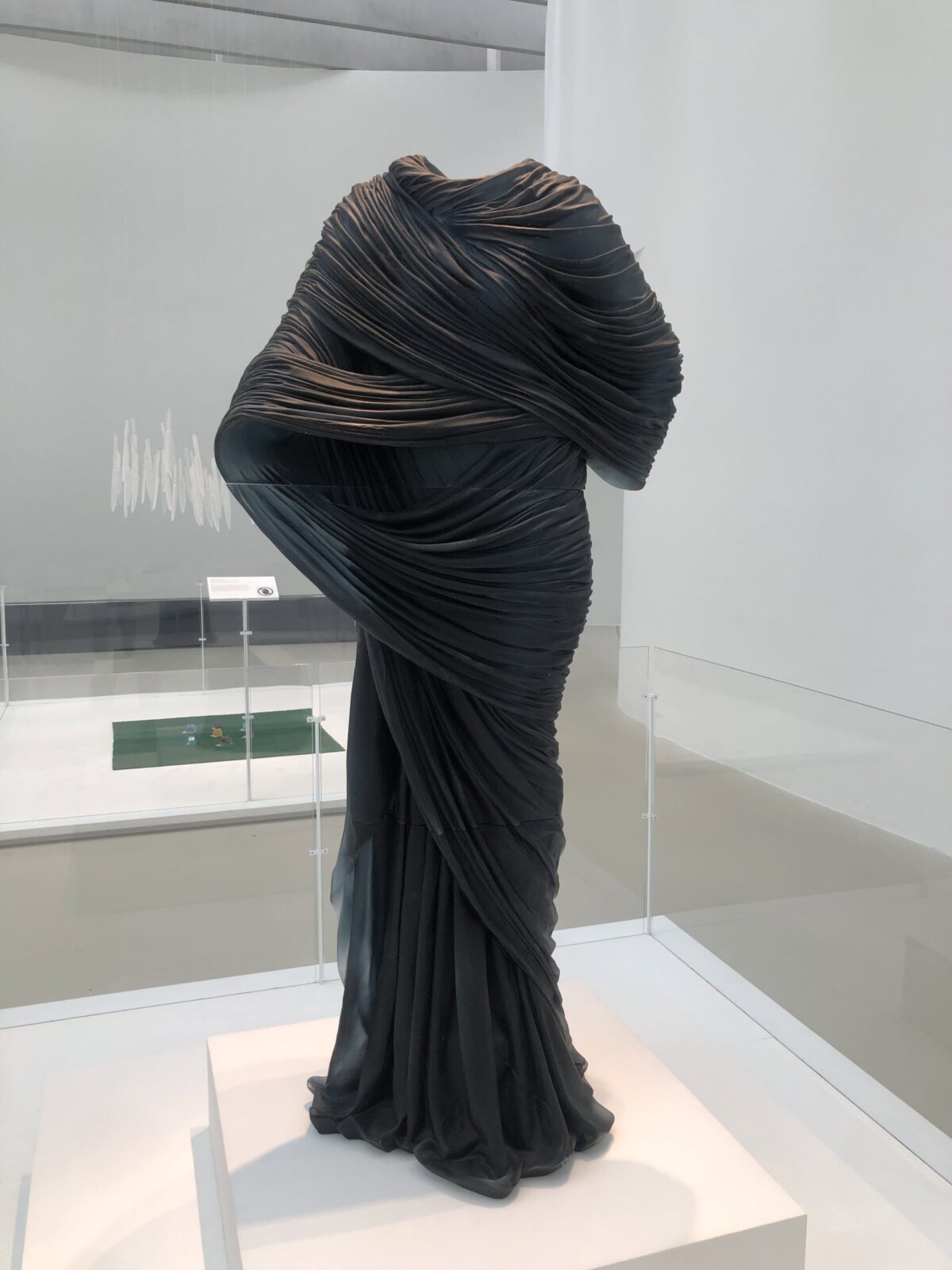
There are also several galleries showing contemporary art glass, including a temporary exhibition of works by female glass artists. I really liked Karen LaMonte’s glass statues of wearer-less garments; they reminded me of damaged ancient statues. There was also a cool installation with Aztec imagery by Mexican-American brothers Einar and Jamex de la Torre, a couple of Chihulys, and a Preston Singletary to name just a few. I imagine this selection changes over time.
The Innovation Galleries
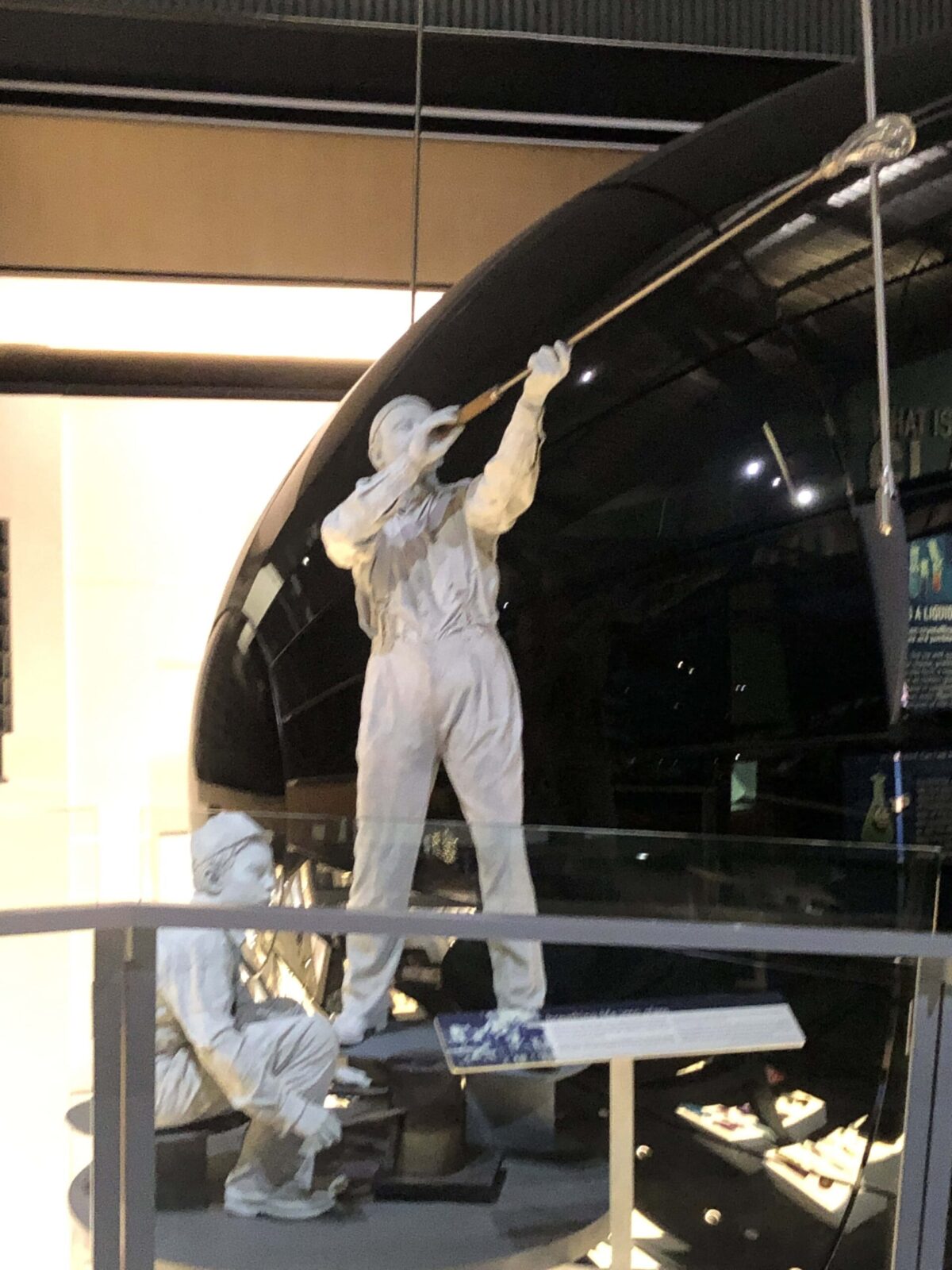
There’s also the Innovation Galleries, an exhibition area that focuses on the relationship between glass and science. In the splashy displays here, you can learn about the use of glass in things like telescopes, lighthouses, fiber optic technology, lab science, and more. I particularly liked an interactive display where you can see how various mirrors mess with your image at different distances. Corning is a major center for glass making in the United States, and this exhibition also highlights the contributions that Corning Glass Works (now Corning Inc.) has made to the industry since its founding in the 19th century. I wish I’d had more time to explore this area, which seems great but definitely requires your full attention.
Glass making demonstrations
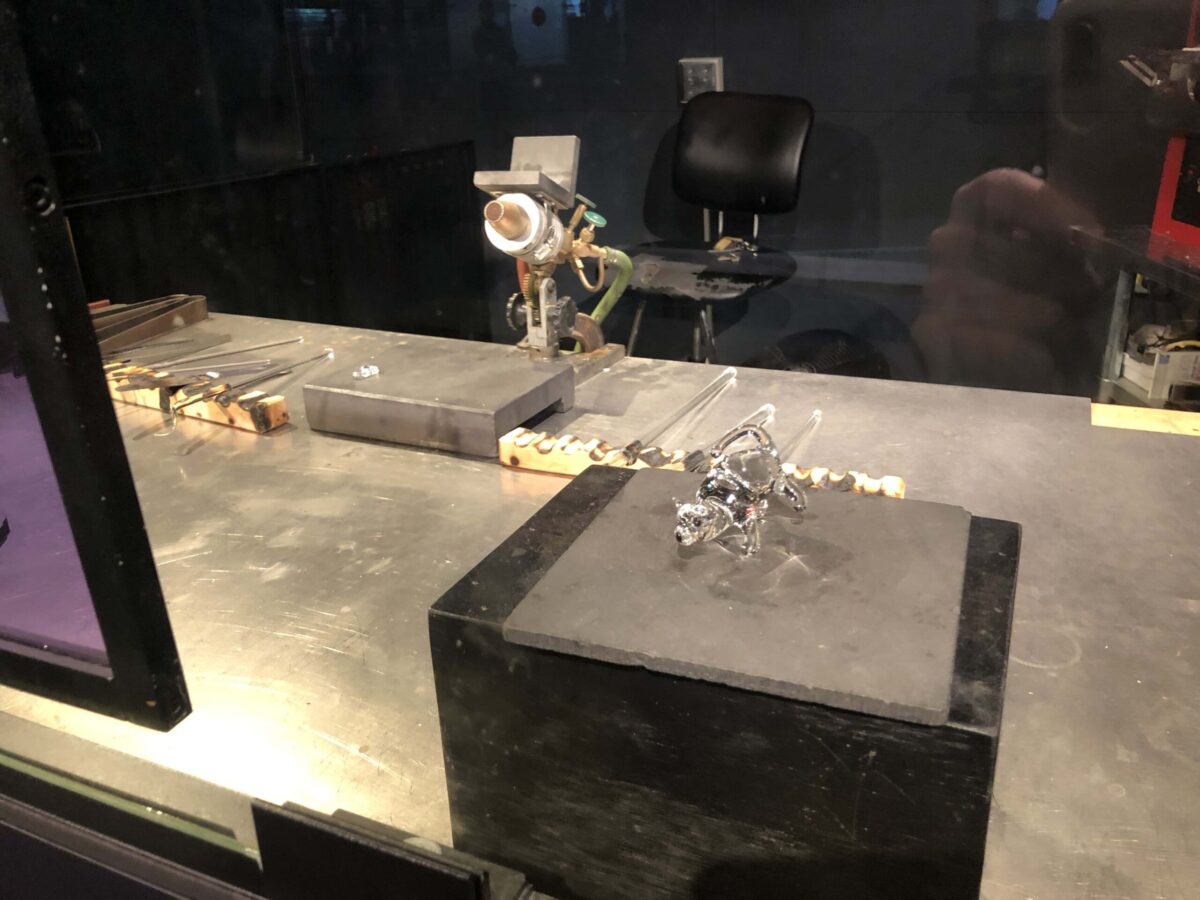
Perhaps my favorite part of my Corning experience was the 30 minute-long glass making demonstration I attended. There are several types that occur throughout the day; you can get the schedule online or at the admissions desk. I saw a flame-working demonstration, which is where an artist uses a 4000-degree torch to make glass objects with lots of tiny details. The artist narrates the process and explains what they’re doing, which in this case was make a cute little cat figurine. You can see glass blowing and maybe some other things, too.
There’s also the opportunity to take a workshop where you can try working with glass on your own. I didn’t get the opportunity to participate myself, but there seen to be a bunch of different options at different levels of complexities. The slots seem to fill quickly, so you’ll probably need to register in advance. I believe these workshops are held in the studio building next door.
Details
I really, really enjoyed the Corning Museum of Glass and would recommend it to anyone who’s going to be in the Corning, New York area. Plan the whole day for this museum in order to fully explore everything that’s going on, especially if you want to take a workshop.
Admission costs $25 for adults (discounts for seniors/students/military and free for kids under 17) and is valid for two consecutive days. This ticket gets you into all museum exhibitions and demonstrations, but the hand-on courses and workshops cost extra and require separate reservations. If you want to participate, you’ll probably need to register in advance; I got there just after opening and almost all the day’s slots were already filled. Parking is free, and there’s a nice cafeteria with a pretty extensive menu on the premises so you can refuel as necessary.
Pretty much the entire ground floor of the museum building is dedicated to the gift shop, and you’ll definitely want to give yourself plenty of time to explore there. That’s because the vast majority of what’s on offer is hand-make glass items, primarily from local artists. There’s plenty of glass jewelry, decorative items, Christmas ornaments, and more. The choices are a bit overwhelming, but the shop is really fun to browse – almost another museum gallery, honestly – even if you don’t end up buying anything.